

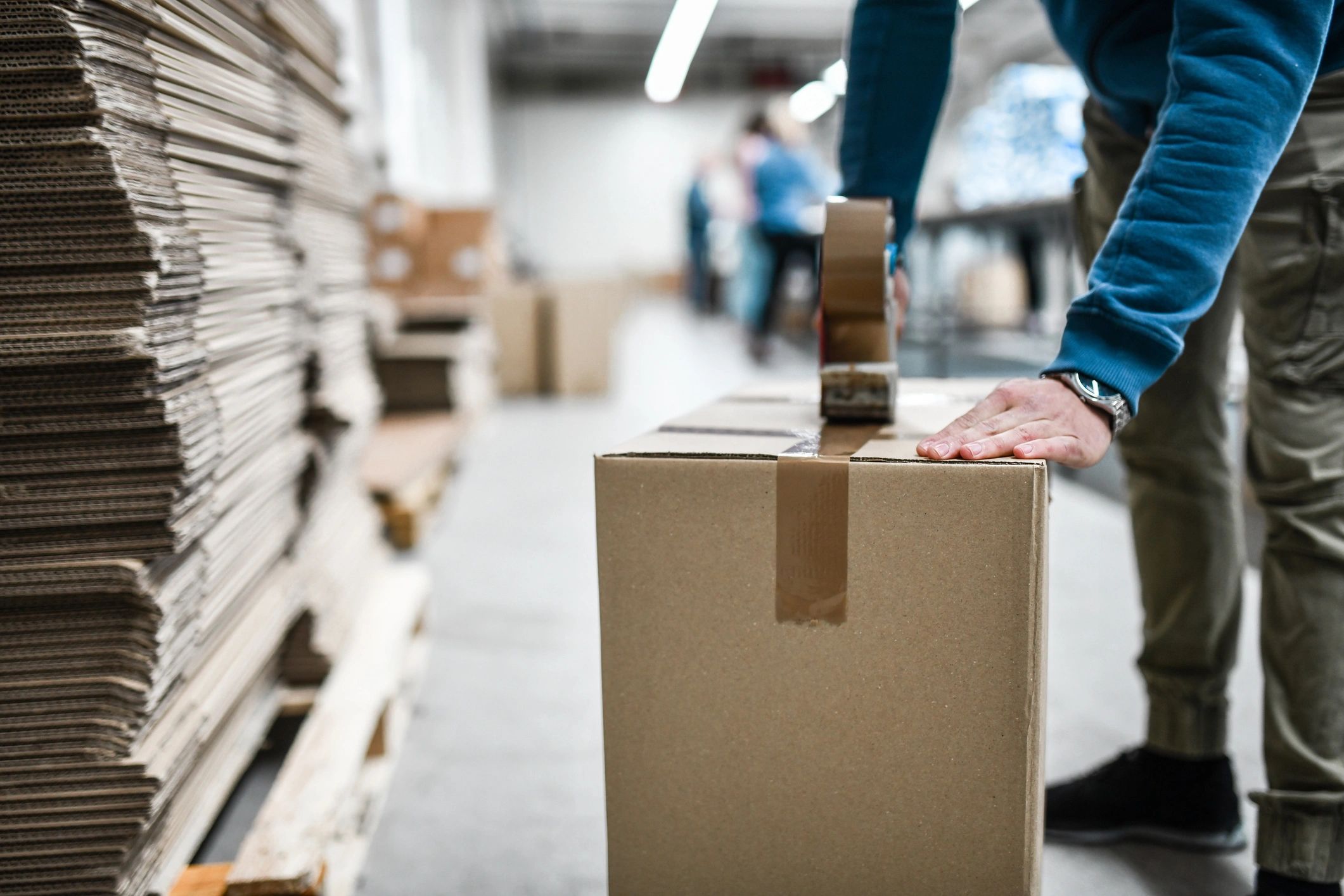
Why Packaging Quality Makes or Breaks Your Brand’s First Impression
In the crowded retail and e-commerce landscape, custom packaging isn’t just a container—it’s a powerful brand touchpoint. A staggering number of consumers admit to judging a product’s value based on its packaging alone, especially in competitive markets like Lahore, Karachi, and Islamabad, where local branding excellence sets businesses apart. From boutique product lines to large-scale distributions, the print quality, material durability, and design accuracy of your packaging directly influence customer trust, unboxing experiences, and brand loyalty.
Poorly printed packaging with misaligned colors, pixelated graphics, or inconsistent finishes can undermine even the most premium products. On the other hand, professionally executed custom packaging enhances perceived value, communicates professionalism, and strengthens market positioning. This guide explores the critical factors to evaluate when sourcing top-rated custom packaging printing services, including material selection, color accuracy, finishing techniques, and structural integrity.
You’ll learn how to identify reliable printing partners, avoid common production pitfalls, and ensure every box, label, or wrap reflects your brand’s promise with precision. Whether you’re launching a new product line or refining your current packaging strategy, understanding these fundamentals is essential for long-term success.
Mastering Print Precision: What Every Brand Should Verify
Achieving flawless print accuracy in custom packaging starts with understanding the key technical and visual elements that define professional-quality output. For brands across Lahore and Punjab, ensuring consistency and clarity in printed materials isn’t just about aesthetics—it directly impacts brand credibility and customer trust.
Begin by verifying color consistency using standardized color matching systems like Pantone® to maintain accuracy across print runs. Even slight shifts in hue can affect brand recognition, so request physical color proofs before full production. Next, assess image resolution and sharpness—low-resolution graphics often pixelate during scaling, especially on high-gloss or textured finishes common in luxury packaging.
Typography alignment and registration accuracy are equally important. Misaligned text or graphic elements signal poor craftsmanship and can compromise readability. Ensure trim lines and bleed settings are correctly configured to prevent unwanted white edges or cut-off content.
Finally, evaluate the substrate compatibility—inks behave differently on various materials, from kraft paper to rigid board. Conduct test prints under actual production conditions to catch issues early. By systematically checking these variables, brands can secure packaging that reflects premium quality, enhances shelf appeal, and aligns perfectly with their visual identity.
Mastering Color Accuracy in Custom Packaging Printing
Achieving precise color matching in custom packaging printing is critical for brand consistency and visual impact. When consumers recognize your product on the shelf, color plays a leading role—so understanding industry-standard techniques ensures your designs translate accurately from concept to final print.
Start by using Pantone Matching System (PMS) colors for spot color printing, which guarantees uniformity across print runs regardless of location, including key markets like Lahore and other regional hubs. Unlike process CMYK printing, PMS provides a standardized reference, reducing variation in hue, saturation, and brightness. For brands relying on digital printing methods, ensure your provider uses color profiling and ICC-defined settings calibrated to their specific equipment.
Another key step is requesting physical print proofs before full production. On-screen previews can be misleading due to monitor calibration differences. A hard-copy proof reveals how inks interact with your chosen packaging material, whether it’s kraft paper, corrugated board, or laminated film.
Keep in mind: ambient lighting, substrate texture, and finishing techniques like gloss or matte coatings all influence final color appearance. Work closely with your printer to test under real-world display conditions and adjust accordingly. Consistent color strengthens recognition, trust, and ultimately, product performance.
Why Dielines Are the Blueprint of Packaging Success
In custom packaging printing, a dieline isn’t just a template—it’s the foundational roadmap that ensures your design translates perfectly into a physical product. A well-constructed dieline outlines precise cut and fold lines, ensuring packaging components like flaps, tucks, and perforations align exactly as intended during manufacturing. Without an accurate dieline, even the most visually striking design can end up misaligned, improperly assembled, or structurally unsound.
Designers and brands in Lahore, Islamabad, and across Pakistan’s growing packaging market often overlook dielines until production, leading to costly reprints and delays. To avoid this, always review your dieline at the concept stage. Confirm that bleed areas, safety zones, and glue tabs are correctly positioned according to your chosen material’s thickness and flexibility. Work closely with your print provider to ensure the dieline file meets industry standards—typically in vector format using software like Adobe Illustrator.
Common issues such as overruns, misfolds, or box instability often stem from incorrect dielines. By treating the dieline as a critical part of the design—not an afterthought—you ensure dimensional accuracy, structural integrity, and consistency across large print runs. For businesses relying on custom boxes for cosmetics, food, or retail products, a flawless dieline directly impacts brand credibility and customer experience.
Finishing Touches That Elevate Your Packaging Quality
The final finish on custom packaging does more than enhance aesthetics—it plays a critical role in durability, branding, and customer perception. Choosing the right finishing option ensures your product stands out on shelves in Lahore, Karachi, or Islamabad while withstanding handling and shipping. Common finishes like matte, gloss, and soft-touch laminates each offer distinct advantages depending on your product and audience.
- Matte finish delivers a sleek, modern look with a non-reflective surface, ideal for premium or eco-conscious brands.
- Gloss lamination adds shine and color vibrancy, making packaging pop in retail environments.
- Soft-touch coating provides a velvety texture that enhances tactile appeal, often used for luxury cosmetics or high-end electronics.
- Spot UV coating highlights specific design elements with a glossy, raised effect, drawing attention to logos or key messaging.
Beyond appearance, finishes contribute to moisture resistance, scuff protection, and overall structural integrity. For businesses relying on e-commerce or long distribution chains, these features ensure packaging arrives in pristine condition. Consider your product’s lifecycle, target market preferences, and brand identity when selecting a finish. Testing physical samples before mass production allows you to evaluate real-world performance and make informed decisions that align with both quality goals and customer expectations.
What Should I Know About Custom Packaging Printing Quality?
When investing in custom packaging, understanding quality factors and technical specifications is critical to achieving professional, durable, and visually appealing results. Many businesses in Lahore, Karachi, and other Pakistani cities face common challenges with print consistency, material durability, and color accuracy. Below are frequently asked questions to help you make informed decisions and avoid costly reprints.
What defines high-quality custom packaging printing?
High-quality printing involves precise color matching, sharp image resolution, consistent ink coverage, and the use of durable substrates. Look for printers using CMYK + Pantone matching to ensure brand colors remain consistent across batches. Also, inquire about dot-per-inch (DPI) standards—1200 DPI or higher ensures crisp text and graphics.
What material options are best for durability and presentation?
Common materials include kraft paper, corrugated cardboard, rigid boxes, and biodegradable composites. Choose based on product weight, shelf life, and shipping conditions. For example, double-wall corrugated offers superior protection for e-commerce in humid climates like coastal cities.
How do I verify print accuracy before mass production?
Always request a physical or digital proof before full runs. Check for alignment, color shifts, and bleed margins. Avoid digital-only proofs if color fidelity is mission-critical.
What finishing options enhance packaging appeal?
Consider matte/gloss lamination, spot UV coating, embossing, or foil stamping for premium aesthetics. These finishes also improve moisture and scuff resistance.
How does location impact turnaround and quality control?
Local print providers in Punjab or Sindh often offer faster revisions and inspections. Partnering with a nearby printer allows you to physically inspect samples, reducing the risk of miscommunication.
Final Checklist for Flawless Custom Packaging Results
Achieving top-rated custom packaging printing starts with a clear focus on quality control at every stage. From selecting the right substrate materials to ensuring precise color matching and die-cut accuracy, consistency is key. High-resolution artwork, proper bleed settings, and print-ready files prevent delays and costly reprints. Understanding finishing options—like matte or gloss lamination, embossing, or foil stamping—can elevate your brand’s unboxing experience while protecting the package itself. For businesses in Lahore and across Punjab, local production capabilities mean faster turnaround and easier collaboration during proofing phases.
To ensure success:
- Always request physical or digital proofs before full production
- Verify Pantone or CMYK color standards match your brand guidelines
- Confirm substrate durability aligns with shipping and storage needs
- Review packaging functionality, including ease of assembly and product fit
Taking these steps not only safeguards your investment but also strengthens customer trust through professional presentation. If you’re preparing to launch or refresh your packaging, review your design files, consult with a local printing specialist, and prioritize quality over speed. A well-crafted package doesn’t just protect—it communicates value, builds recognition, and sets your product apart on crowded shelves. Start your next print project with confidence and let your packaging speak volumes.
